Books
Screening American Film (2026)
Routledge. Series: Screening Cinema. Co-edited with Nessa Johnston.
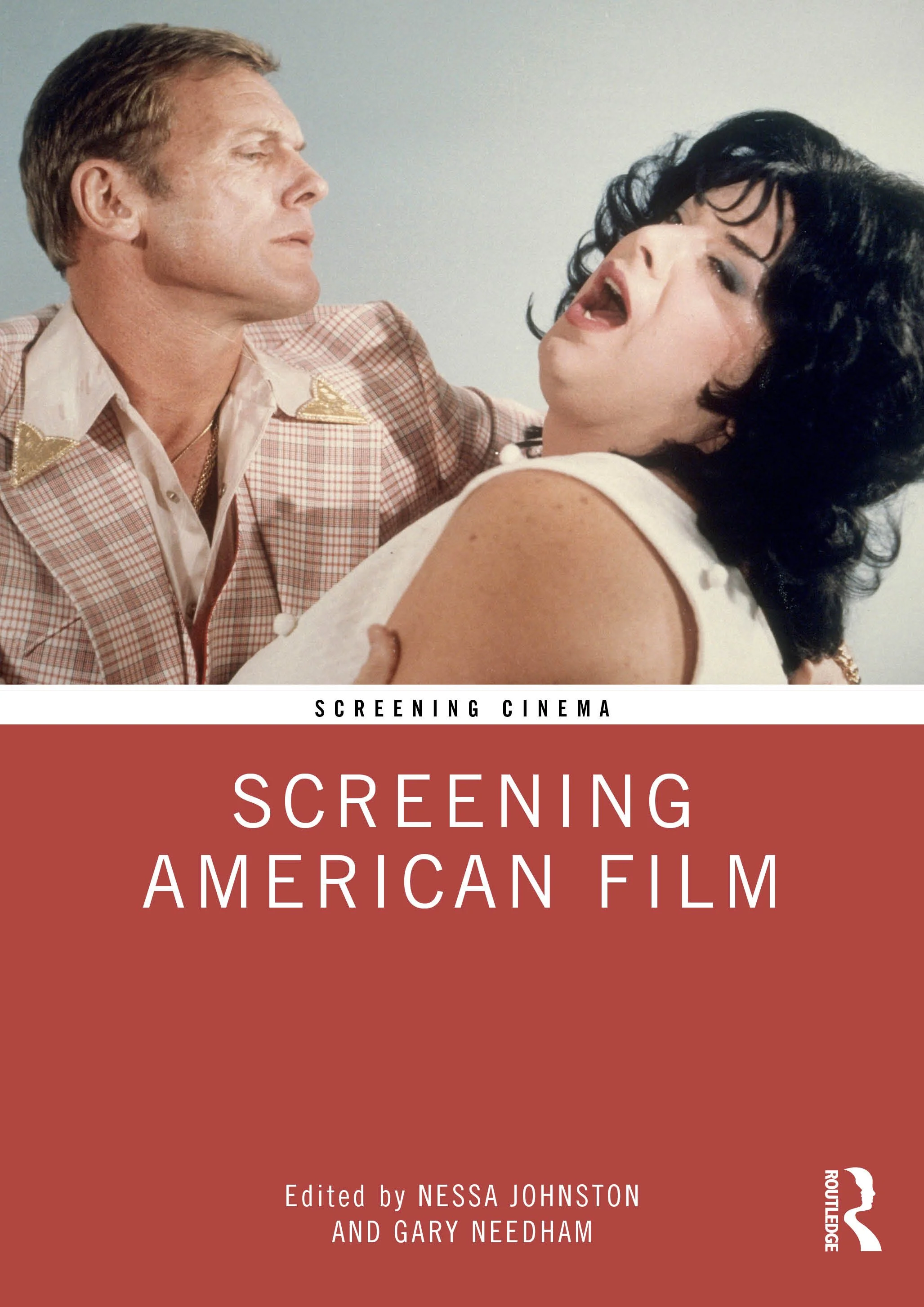
Bringing together fifty-one essays, each devoted to a single American film, Screening American Film offers a wide-ranging exploration of the histories, practices, politics, styles, and meanings that have shaped American film since the 1930s. .In these fifty-one chapters readers will encounter American cinema not as a singular tradition but as a constellation of overlapping and often competing practices, modes, and priorities: classical and post-classical Hollywood, major blockbusters, independent and indie filmmaking, exploitation and arthouse. The essays draw upon a variety of critical frameworks including the industrial, aesthetic, historical, political, and thematic while remaining attentive to key questions of style, genre, authorship, performance, stardom, and context.
Each essay has been designed to stand on its own while contributing to a larger mosaic of what American film has been, and what it continues to become, from Mae West to Barbie. Indeed, part of the book’s ambition is to highlight American films whose significance becomes newly visible in the revisitation of established “classics” sitting aside the lesser known, and in some cases, entirely un-mapped cinematic terrain. The fifty-one entries introduce students to different approaches within film studies from historical and contextual framing, film analysis, industrial and institutional analysis, politics and ideology, genre and authorship, film theory, representation, exhibition and reception, and technology.
United Artists (2020)
Routledge. Series: Routledge Hollywood Centenary. Co-edited with Peter Krämer, Yannis Tzioumakis, and Tino Balio.
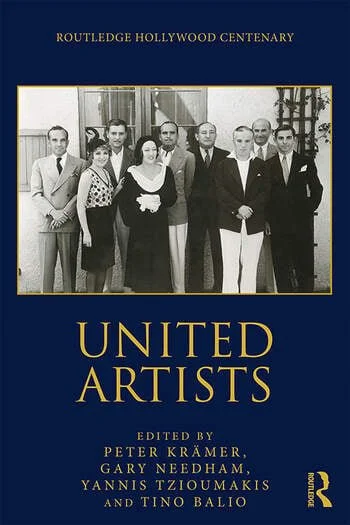
Established in 1919 by Hollywood's top talent United Artists has had an illustrious history, from Hollywood minor to industry leader to a second-tier media company in the shadow of MGM. This edited collection brings together leading film historians to examine key aspects of United Artists' centennial history from its origins to the sometimes chaotic developments of the last four decades. The focus is on several key executives – ranging from Joseph Schenck to Paula Wagner and Tom Cruise – and on many of the people making films for United Artists, including Gloria Swanson, David O. Selznick, Kirk Douglas, the Mirisch brothers and Woody Allen.
Drawing on a wide range of primary sources, individual case studies explore the mutually supportive but also in places highly contentious relationships between United Artists and its producers, the difficult balance between artistic and commercial objectives, and the resulting hits and misses (among them The General, the Pink Panther franchise, Heaven’s Gate, Cruising, and Hot Tub Time Machine). The second volume in the Routledge Hollywood Centenary series, United Artists is a fascinating and comprehensive study of the firm’s history and legacy, perfect for students and researchers of cinema and film history, media industries, and Hollywood.
Warhol in Ten Takes (2013)
British Film Institute. Co-edited with Glyn Davis.
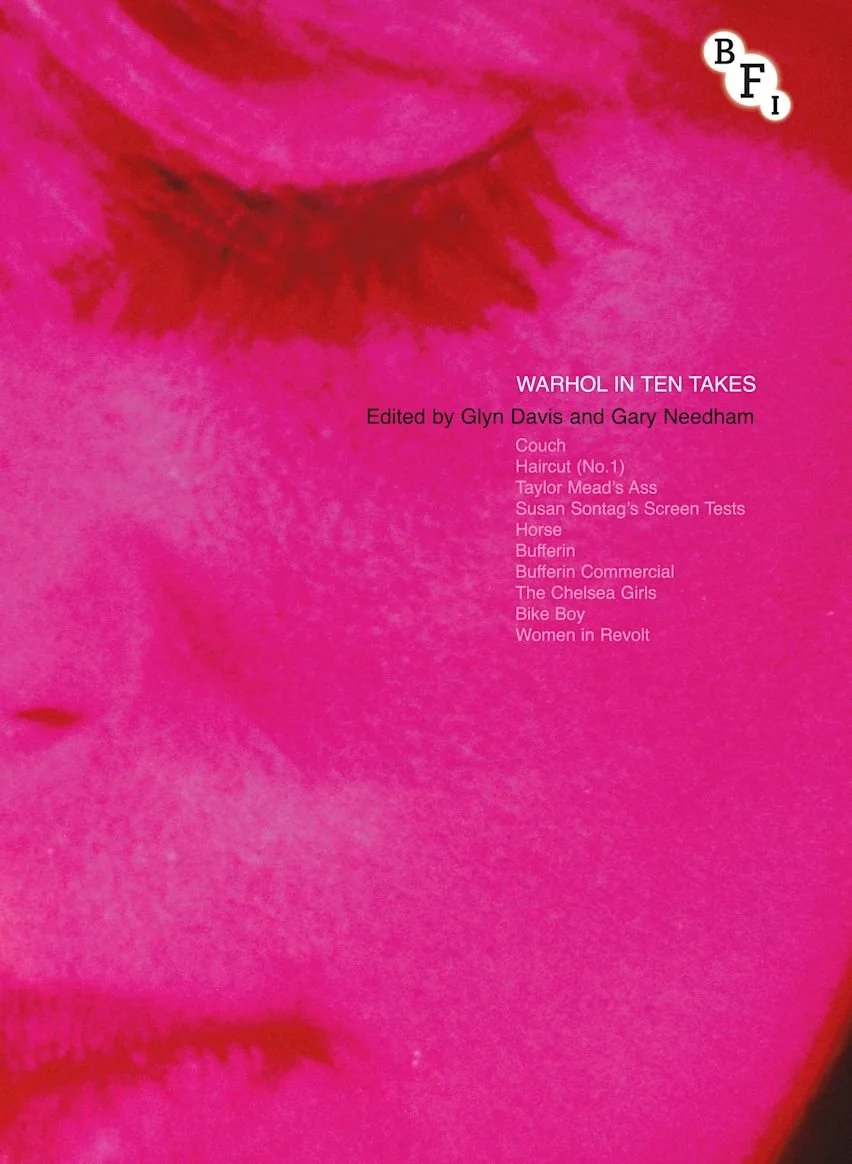
Andy Warhol remains one of the world’s most influential artists, and his reputation has only grown since his death in 1987. He first picked up a film camera in 1963. Within the space of five years, he made around 650 films. These are now recognised as a hugely significant part of Warhol’s oeuvre, vital for understanding his output as a whole.
Warhol in Ten Takes provides a comprehensive introduction to Warhol’s film-making alongside ten essays on individual films (from canonical classics such as The Chelsea Girls, to sorely neglected titles such as Bufferin) from leading scholars of cinema, art and culture. Drawing on research from the Warhol archives, newly-unearthed images, and original interviews with denizens of the Factory, this book explores the richness and variety of Warhol’s films and interrogates accepted perspectives on them – while acknowledging the challenge of ever fully coming to terms with the life and career of this extraordinary artist.
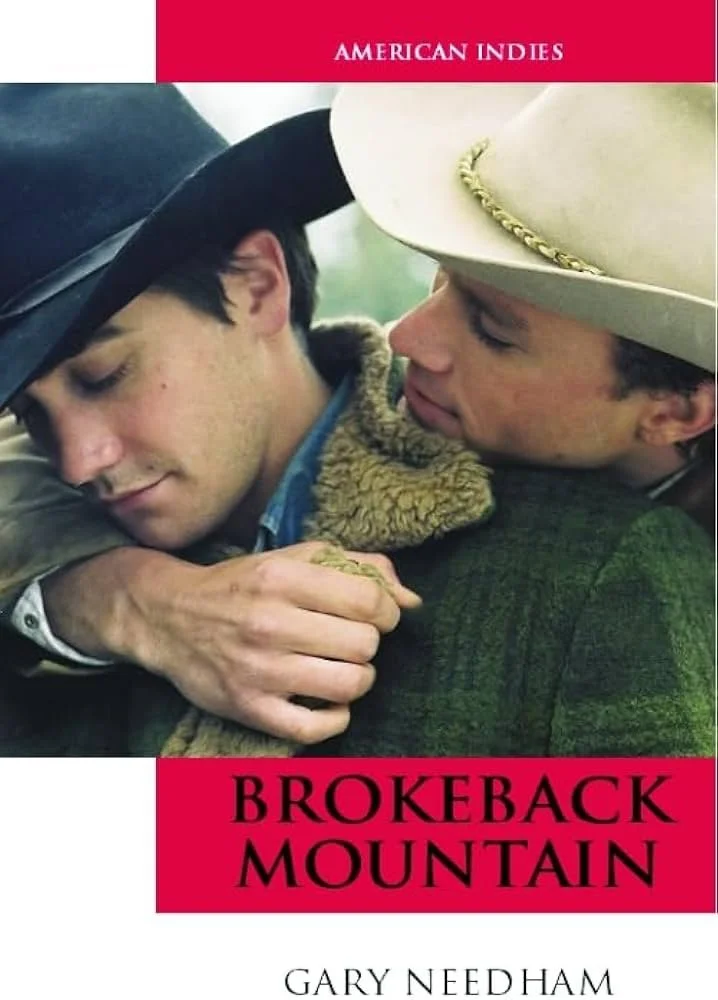
Brokeback Mountain (2010)
Routledge. Series: American Indies.
Upon its release in 2005, Brokeback Mountain became a major cultural event and a milestone in independent American filmmaking. Based on the short story by Annie Proulx and directed by Ang Lee, Brokeback Mountain situated a love story between two closeted cowboys at the heart of American mythology, film spectatorship and genre. Brokeback Mountain offered an independent and queer revision of the conventions and clichés of the western and the melodrama through a studied exploration of homophobia and the closet. This book examines Brokeback Mountain in relation to indie cinema, genre, spectatorship, editing, and homosexuality. In doing so it brings film studies and queer theory into dialogue with one another and explains the importance of Brokeback Mountain as both a contemporary independent and queer film.
Queer TV: Theories, Histories, Politics (2009)
Routledge. Co-edited with Glyn Davis.
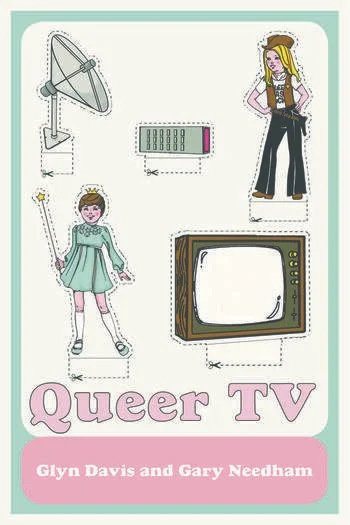
How can we queerly theorise and understand television? How can the realms of television studies and queer theory be brought together, in a manner beneficial and productive for both? Queer TV: Theories, Histories, Politics is the first book to explore television in all its scope and complexity – its industry, production, texts, audiences, pleasures and politics – in relation to queerness. With contributions from distinguished authors working in film/television studies and the study of gender/sexuality, it offers a unique contribution to both disciplines.
The book crucially moves beyond lesbian and gay textual analyses of specific TV shows that have often focussed on evaluations of positive/negative representations and identities. Rather, the essays in Queer TV theorise not just the queerness in/on television (the production personnel, the representations it offers) but also the queerness of television as a distinct medium.
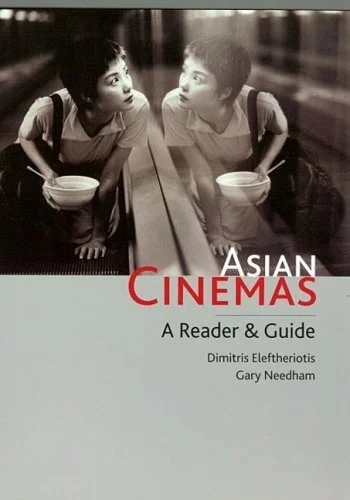
Asian Cinemas: A Reader & Guide (2006)
Edinburgh University Press. Co-edited with Dimitris Eleftheriotis.
Asian cinema is an area of increasing interest in Anglo-US film studies while Asian films are now widely distributed and popular with western audiences. The fascination with Asian cinema must be examined in the context of a complex and often problematic relationship between western scholars, students, viewers and Asian films. This book, therefore, examines a number of detailed case studies (such as the films of Ozu, Bruce Lee, Hong Kong and Turkish cinema, Hindi melodramas, Godzilla films, Taiwanese directors and Fifth Generation Chinese cinema) and uses them in order to investigate the limitations of Anglo-US theoretical models and critical paradigms. By engaging the readers with familiar areas of critical discourse (such as postcolonial criticism, 'national cinema', 'genre', 'authorship' and 'stardom') the book aims to introduce within such contexts the 'unfamiliar' case studies which will be explored in depth and detail. The advantage of such an approach is that it works with the dynamics of familiarity/unfamiliarity and resists the temptation to construct Asian cinemas as a gallery of exotic objects that might be particularly fascinating but remain deeply distant and foreign.